

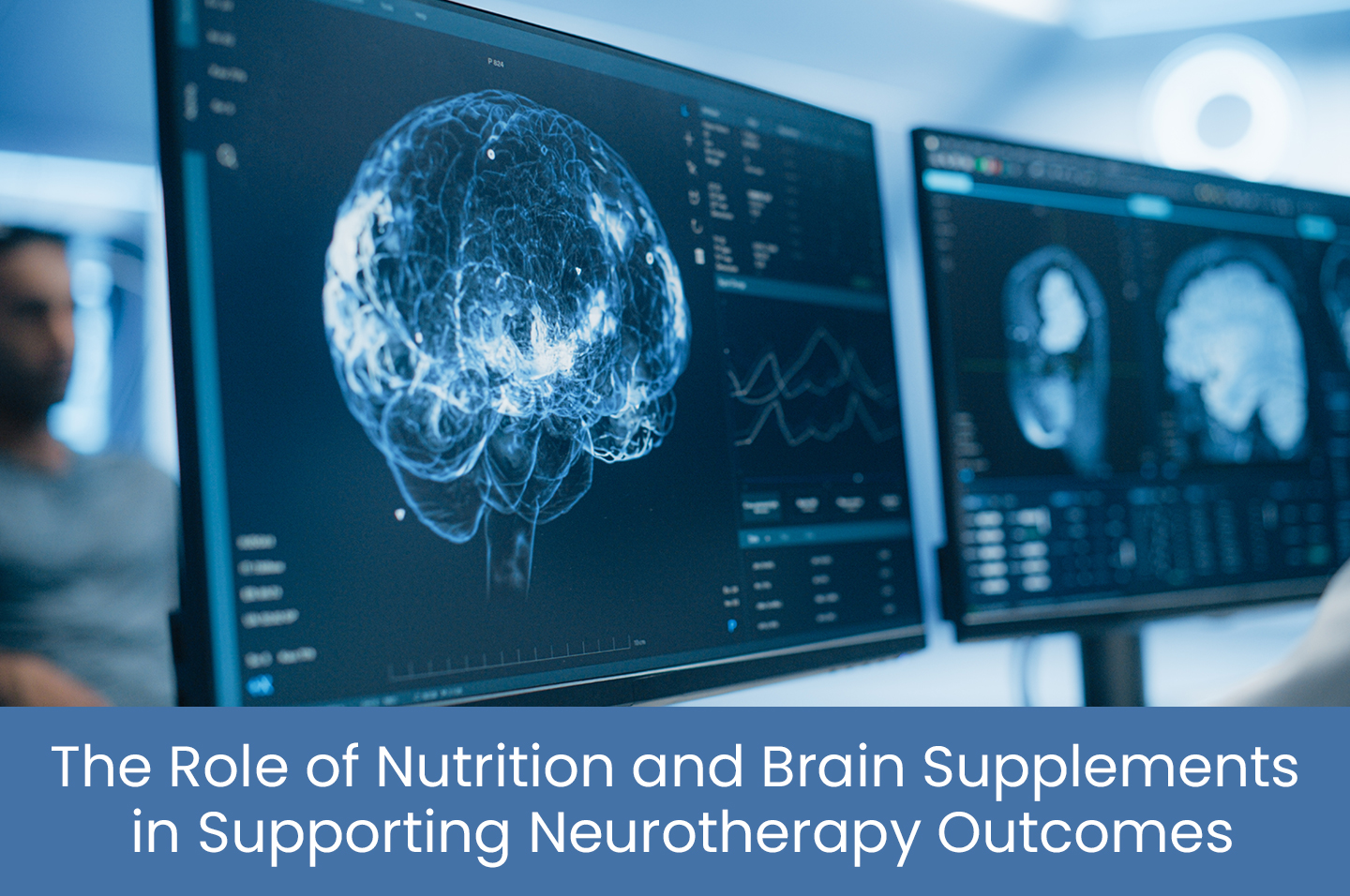
Neurotherapy (neurofeedback) uses cutting-edge technology to train your brain to function more effectively. Real-time monitoring of your brainwave activity can help patients regulate brain function. Typical sessions involve placing sensors on your scalp to measure your brainwave activity. The patterns are then displayed on a computer screen to illustrate how your brain operates. Therefore, these brain supplements are essential in improving cognitive functioning.
Feedback informs patients how to improve and control brain activity. Over time, the brain learns to maintain positive patterns that enhance emotional and mental health.
Neurotherapy addresses ADHD, depression, anxiety, and sleep issues. It can enhance cognitive function, focus, memory, and professional/academic focus. Treatments are non-invasive and show promising results for those who want to improve brain health.
Diets rich in protein, healthy fats, and micronutrients significantly impact brain function. Proteins provide the building blocks of cellular function and neurotransmitter production. Neurotransmitters are essential for communication among brain cells. Protein is responsible for cognitive functioning and for maintaining a good balance of neurotransmitters.
Energy metabolism allows your brain to access increased energy sources, such as complex carbohydrates and healthy fats, to improve concentration, cognitive function, and mental well-being.
Micronutrients also have a role in brain function. Antioxidants protect your brain from oxidative damage and support cellular function. Zinc and magnesium are important in neurotransmitter production and enzymatic processes found in the brain. Ensuring you consume a diet rich in micronutrients is essential for brain health.
Diet plays an essential role in cognitive functioning. Your brain requires a constant supply of nutrients to function effectively. What we consume influences its chemistry, structure, and performance. Some nutrients can improve brain function, while others can hamper it. Proper nutrients impact your brainwaves.
Your brain is composed of 60% of fat. It contains more cholesterol than any other organ in your body. Therefore, fat is essential for your brain health. Essential nutrients include a diet rich in:
Omega-3 fatty acids support cognitive function, reduce depression, and regulate brainwave activity. It supports your brain’s ability to focus and remain calm.
Magnesium helps with nerve transmission by regulating neurotransmitter functions. It is found in nuts and seeds, leafy greens, fatty fish (mackerel, salmon, halibut), avocado, and dark chocolate.
B vitamins support the brain’s metabolic activity. They are cofactors in various reactions, such as cell repair, energy production, and neurotransmitter synthesis. B vitamins are found in:
Both vitamins K and B produce nutrients that your brain requires for proper cognitive functioning.
Excess sugar negatively impacts the brain, causing energy to fluctuate and impairing your ability to focus. High sugar intake causes a spike in blood sugar, followed by crashes. It affects your brain’s ability to create stable brainwaves. Chronic consumption can increase inflammation, which is linked to impairments in brain functioning and cognitive decline.
During a neurofeedback training session, people may struggle with maintaining consistent brainwave patterns if their blood sugar levels remain unstable. Therefore, a balanced diet consisting of low-glycemic foods (vegetables and whole grains) provides a stable energy source for your brain. It allows for a more lasting and profound effect.
Amino acids are vital to producing neurotransmitters like dopamine, serotonin, and gamma-aminobutyric acid (GABA), which are essential in mood regulation, relaxation, and focus.
Amino acids are found in eggs, lean meats, nuts, and beans to optimize brainwave patterns. A steady supply helps people train their brainwaves to become more efficient, thereby helping with emotional regulation and focus.
Over time, inflammation and oxidative stress damage brain cells. This can cause mental fatigue and cognitive decline if left unchecked. Foods like leafy greens, berries, and nuts are a good source of antioxidants, which help protect your brain from oxidative damage and free radicals.
Diets rich in antioxidants support your brain’s ability to function at peak performance even while experiencing stress. Individuals can train their brains to become more focused or relaxed through a proper diet, enhancing mental performance.
Hydration is also an essential component for brain health. Dehydration reduces focus, impairs cognitive functioning, and makes people more irritable. Sufficient water intake improves the brain’s electrical connectivity, leading to better, more accurate feedback.
The human digestive tract contains 130 trillion organisms. They exist in an ecosystem of viruses, bacteria, parasites, and fungi—many of which benefit humans. In this symbiotic relationship, our bodies house microbes that, in turn, help brain function.
When we eat the right foods, we feed ourselves and these microbes. In essence, microbes use many foods that our bodies can’t easily digest, like fibre. After these foods are metabolized, the end product (metabolites or post-biotics) positively impacts the brain and body.
If microbes can help with cognitive functioning, you may wonder how to feed them for proper production of metabolites.
Resistant starches resist digestion. Since microbes feed on foods that aren’t easily digested by the body, items high in resistant starch offer a good food source. Foods like green bananas/plantains, cooked rice, cold or cooked potatoes, lentils, and oats feed microbes that produce SCFAs (short-chain fatty acids).
Rich in fibre and polyphenols, these foods are what microbes require to produce metabolites like neurotransmitters. Vegetables, dried and fresh herbs, and fruit help your microbes.
Poor nutrition is known to cause various health issues, including brain health problems. For example:
Magnetic e-Resonance Therapy (MeRT) treats a variety of neurological conditions ranging from mental illness to brain trauma. By recording brainwave activity and analyzing the data, we can provide you with a customized treatment option.
At Neurosync Brain Treatment Centre, our treatments are non-invasive and target specific brain regions directly related to dysfunction. By stimulating new connections, many of our patients have experienced relief from symptoms.
To learn how we can benefit your situation and for more information on how brain supplements can help you, call us at 365-799-8438 or email us at neurosyncbtc@outlook.com. You can also contact us here.